Timely update new regulations, improve project management capacity
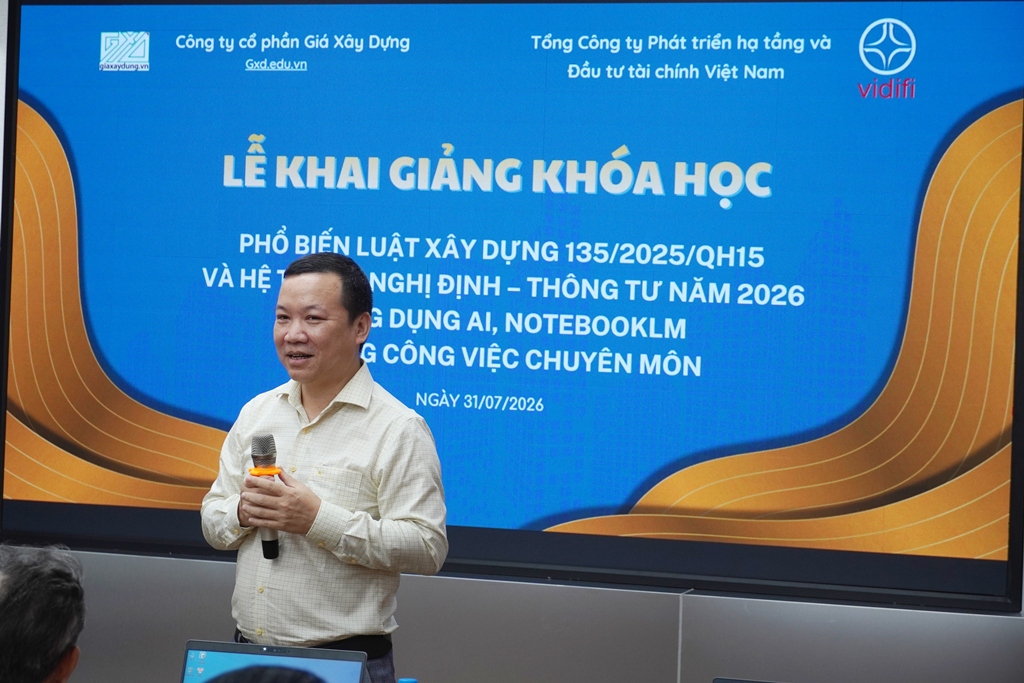
Speaking at the opening of the course, VIDIFI General Director - Tran Anh Tu emphasized that the construction legal system is having many important changes, directly affecting construction investment management, project management, cost management, project quality management and construction contracts. For VIDIFI - an enterprise operating under the model of a joint stock company dominated by state capital - ensuring compliance with legal regulations and improving the efficiency of project implementation places increasingly high demands on the team of officials, engineers and workers.
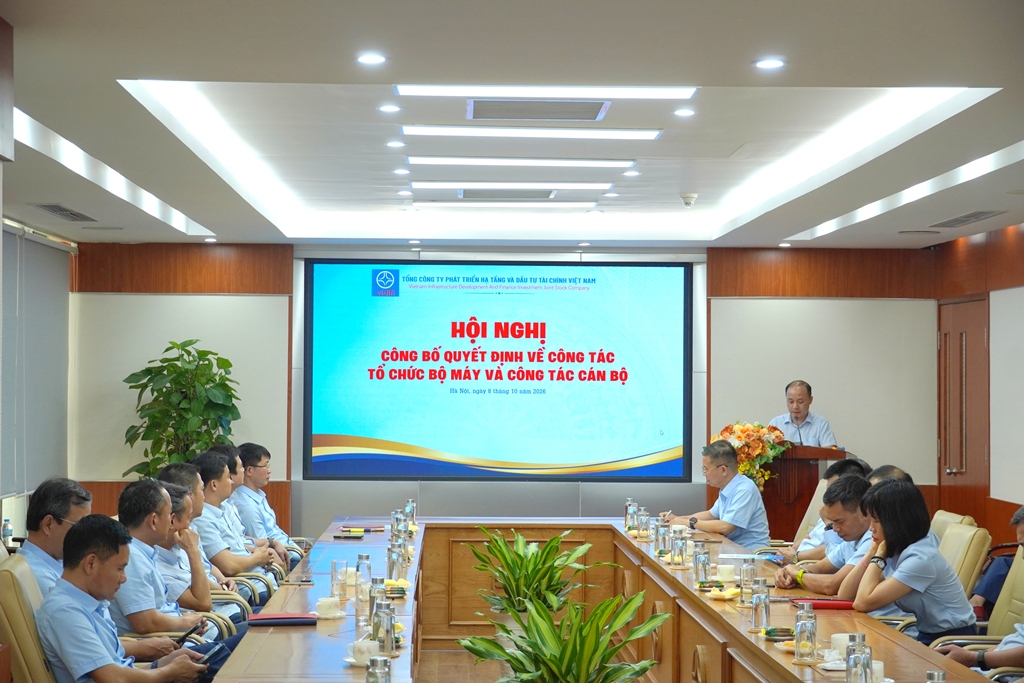
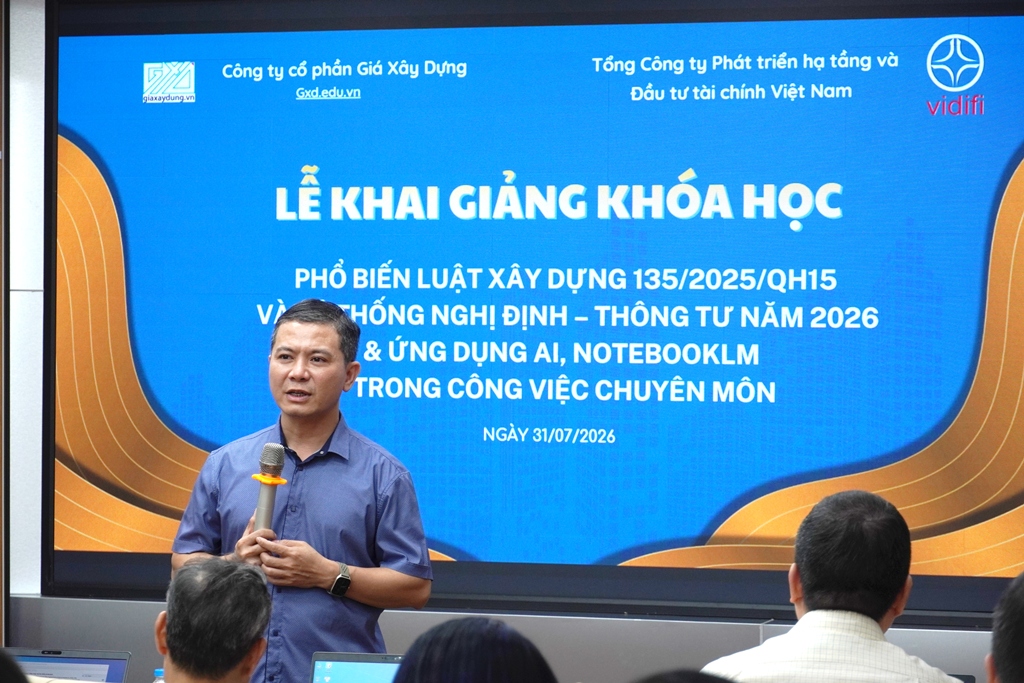 General Director of VIDIFI - Tran Anh Tu gave the opening speech of the class
According to the General Director, the training course not only helps officials and employees fully update the new regulations of the Construction Law and guiding documents, but also creates a forum to exchange and remove difficulties and obstacles that arise in practice, contributing to unifying the understanding and application of the law throughout the Corporation.
"Legal regulations change very quickly, while professional requirements are increasingly high. Each officer needs to proactively learn and master new technology, especially AI and BIM, to improve productivity and ensure work is carried out faster, more effectively and in accordance with regulations."
— General Director of VIDIFI - Tran Anh Tu
Promote the application of AI and BIM in project management
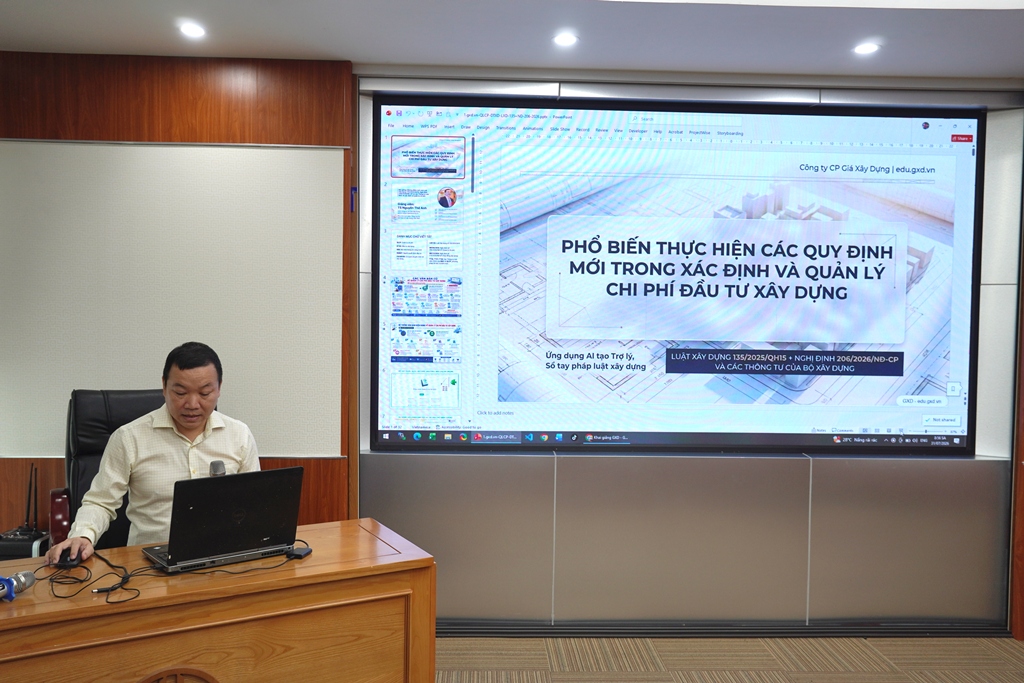
One of the highlights of the program is the content guiding the application of artificial intelligence tools such as NotebookLM and ChatGPT to support searching and analyzing legal documents, building professional handbooks and improving work handling efficiency.
According to VIDIFI General Director, digital transformation is no longer a trend but has become an inevitable requirement for businesses. The Corporation is gradually bringing AI into work practice and identifies it as an effective support tool to help improve labor productivity, standardize processes and shorten work processing time.
Besides AI, the Corporation's leaders also emphasized the implementation of building information modeling (BIM) as required by new regulations for construction projects, especially social housing projects. Although this is still a new field for many officials, VIDIFI determines that it is necessary to proactively approach, train and gradually master technology to meet development requirements in the coming period.
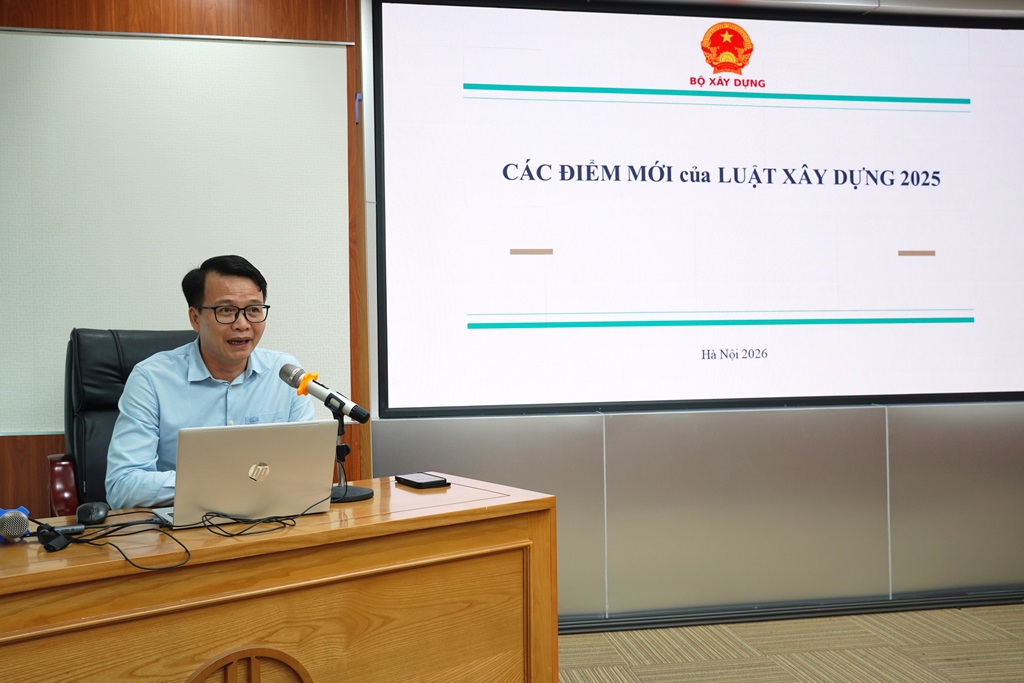
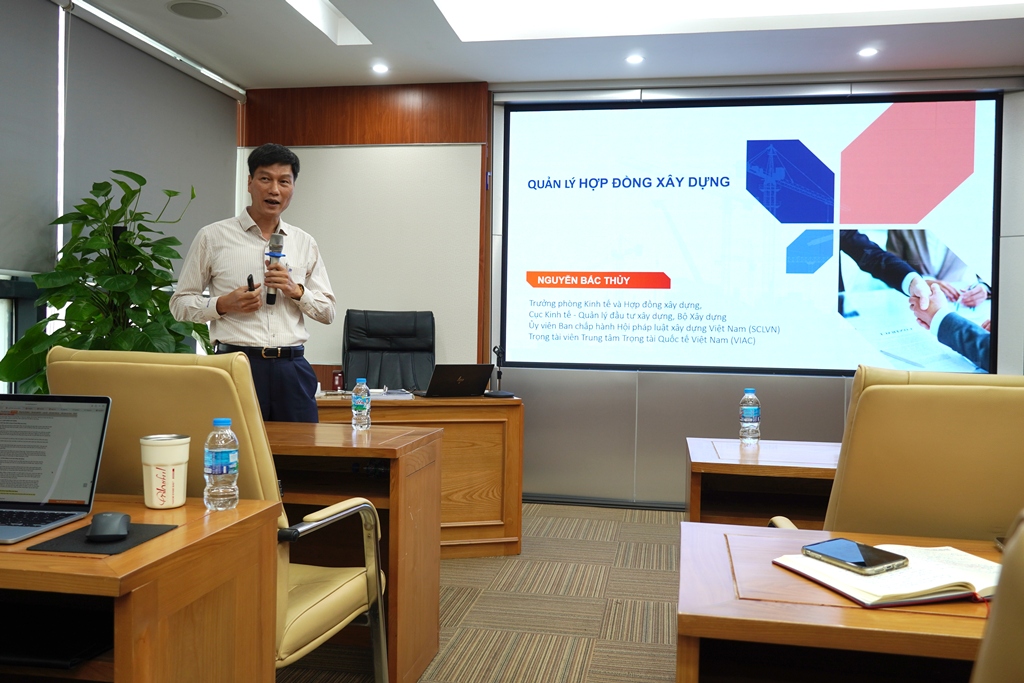
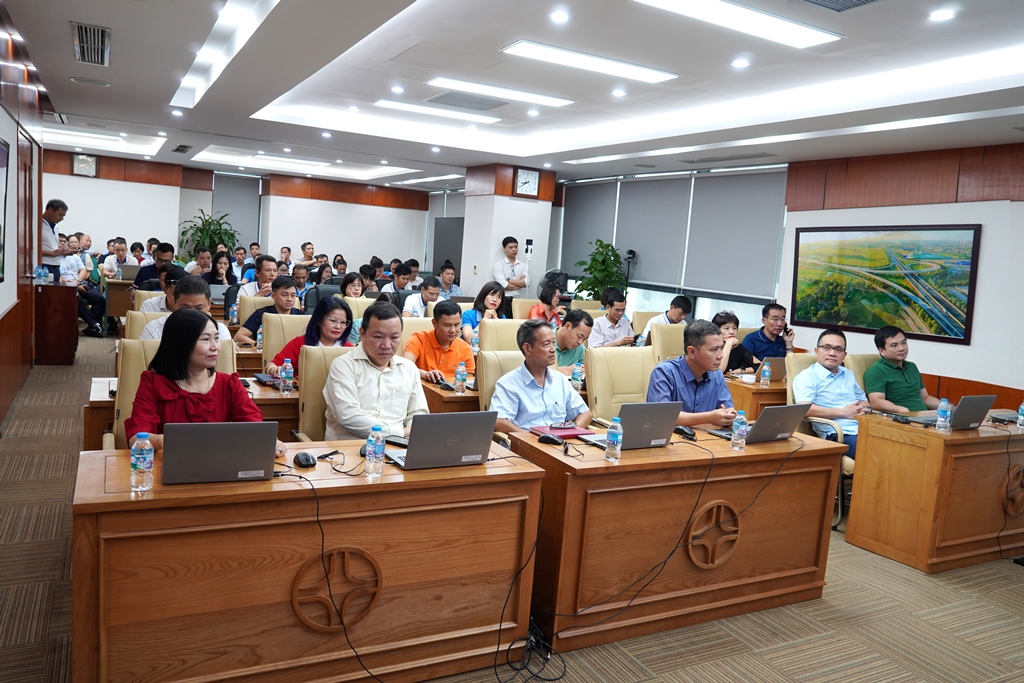 Overview of the classroom
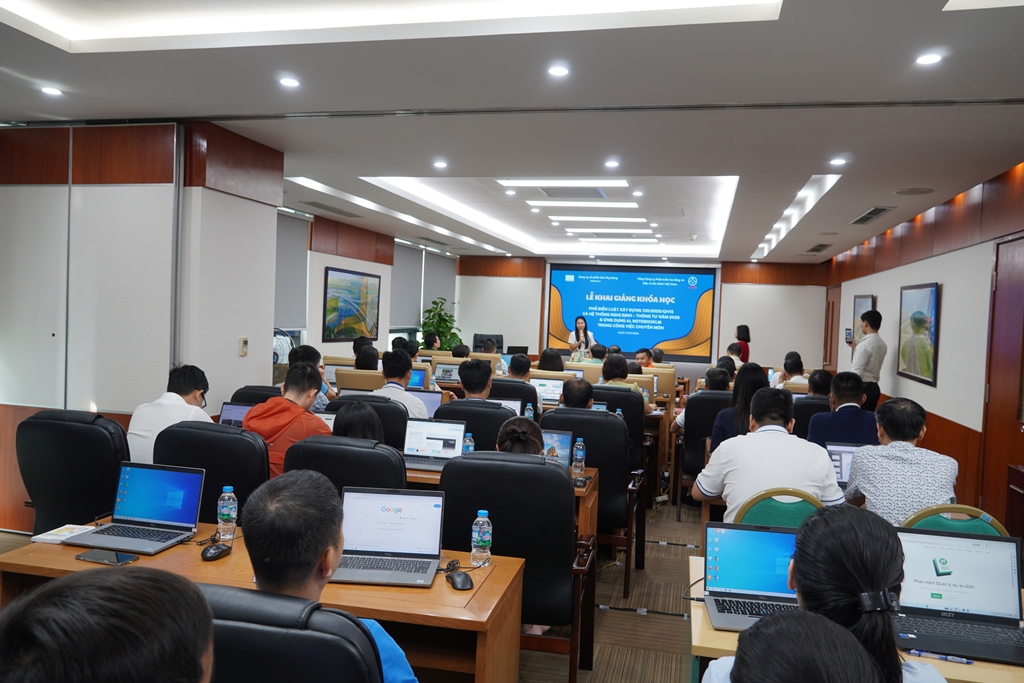
Innovate training methods associated with practiceEach student participates in the course with a serious spirit, proactively researches, and actively discusses situations that arise in practice to analyze and solve problems with the instructor.
In particular, this training method is built in the direction of "learning by doing", enhancing direct practice on computers and exploiting AI tools instead of the approach of only learning theory. The teaching content is designed to closely align with VIDIFI's project management practices and production and business activities, allowing students to apply immediately after the course.
The General Director also appreciated the companionship of Gia Construction Joint Stock Company in building a training program suitable to VIDIFI's specific operations, and expressed his desire for the two units to continue long-term cooperation in in-depth training programs on project management, AI and BIM.
Build a high-quality human resources team to meet development requirements
The training course is one of the practical activities to implement VIDIFI's policy of improving the quality of human resources, contributing to building a team of officials with strong professional knowledge, proactively adapting to changes in the legal system, technology and modern management requirements.
Through the program, the Corporation continues to affirm its orientation to develop high-quality human resources, taking knowledge, innovation and digital transformation as the foundation to improve management capacity, investment efficiency and competitiveness, meeting the requirements of sustainable development in the new period.